The internet forgets quickly. A redesign can erase years of work, a hosting bill can take down a personal site, and a software update can make an entire format difficult to open. Digital archives keep at least part of that history available.
These websites preserve more than old pages. They collect icons, games, browser art, physical objects, and the visual habits of earlier online communities.
1. Internet Archive Wayback Machine
The Wayback Machine is the first stop when a page has changed or disappeared. Enter a URL, choose a captured date, and browse whatever the archive managed to save.
Not every image or link survives, but enough often remains to recover an article, compare a redesign, or revisit a site you thought was gone.

2. OldWeb.today
OldWeb.today adds another layer to web history by loading archived pages inside period browsers. A page from 1998 feels different when Netscape Navigator is part of the frame.
The old interface makes spacing, image formats, and navigation choices easier to understand in context.

3. Flash Museum
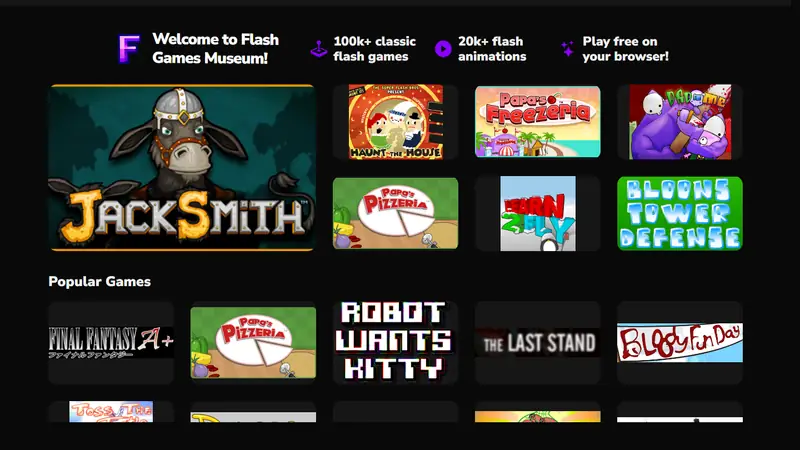
Flash Museum preserves games, animations, and interactive pieces made for Adobe Flash. That matters because screenshots cannot capture work built around movement, sound, and input.
Browse by title or start with something unfamiliar. Flash culture was much larger and stranger than the handful of games most people remember.
4. 16colo.rs
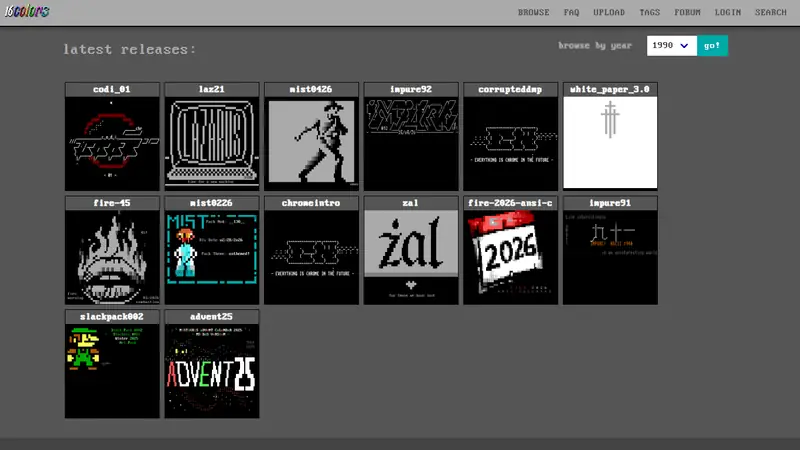
16colo.rs is a large archive of ANSI and ASCII artpacks from the BBS scene. You can browse by artist, group, year, tags, or pack and see how text-mode limits became a distinct visual culture.
The collection is deep enough for research, but it also works as a gallery of bold, highly technical image-making.
5. Icon Museum
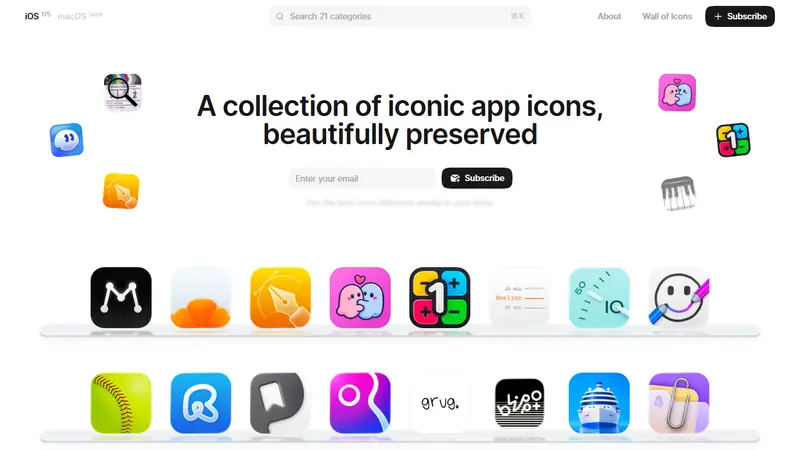
Icon Museum collects notable iOS app icons in a searchable gallery. App icons change quietly during redesigns, so older versions can disappear even while the product remains online.
Seen together, the icons reveal shifts in texture, depth, color, and the changing idea of what an app should look like.
6. Button Museum
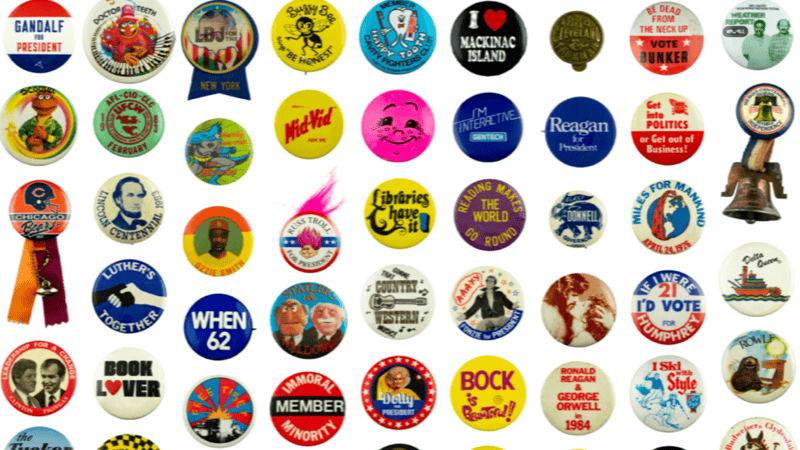
Button Museum catalogs pinback buttons from political campaigns, bands, brands, events, and everyday culture. Each small object carries typography and imagery meant to communicate from a jacket or bag.
It is a physical-media archive presented with the reach and searchability of the web.
7. NESWORLD
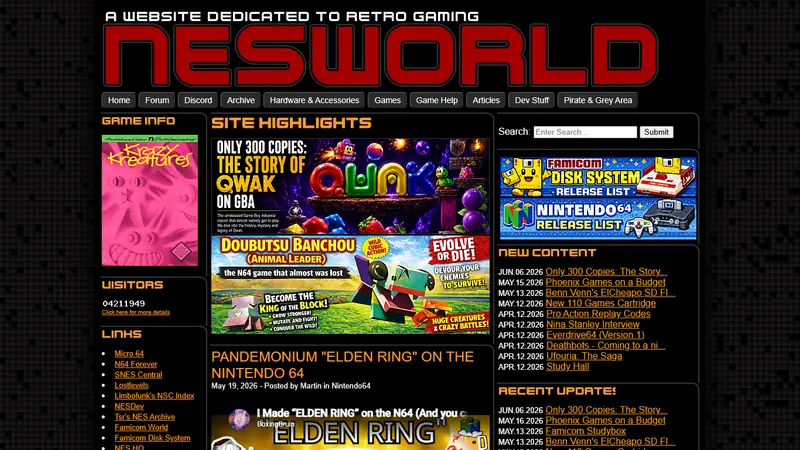
NESWORLD is a long-running archive for Nintendo hardware and games. It includes release information, preservation material, guides, and details about systems beyond the familiar North American NES.
The old-school interface suits the subject. This feels like a resource maintained by people who care more about completeness than presentation trends.
8. Cameron's World
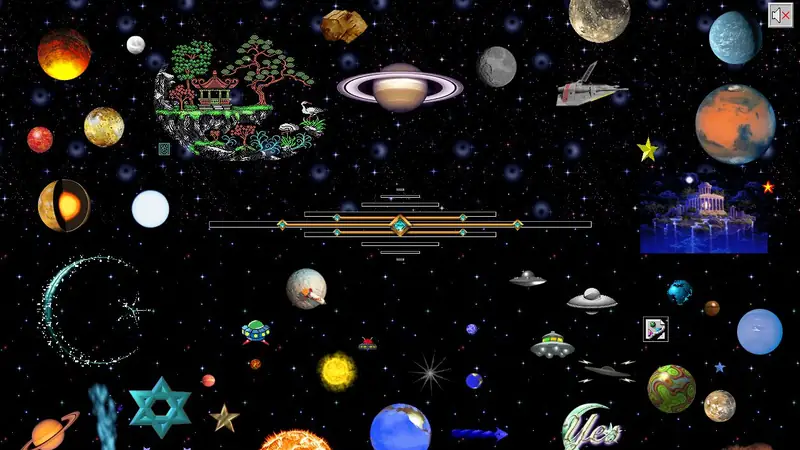
Cameron's World is an artwork assembled from graphics and text found in archived GeoCities pages made between 1994 and 2009. It preserves the pieces while giving them a new navigable form.
The result captures a social web built from fan pages, personal interests, homemade graphics, and aggressive enthusiasm.
9. What Web Was
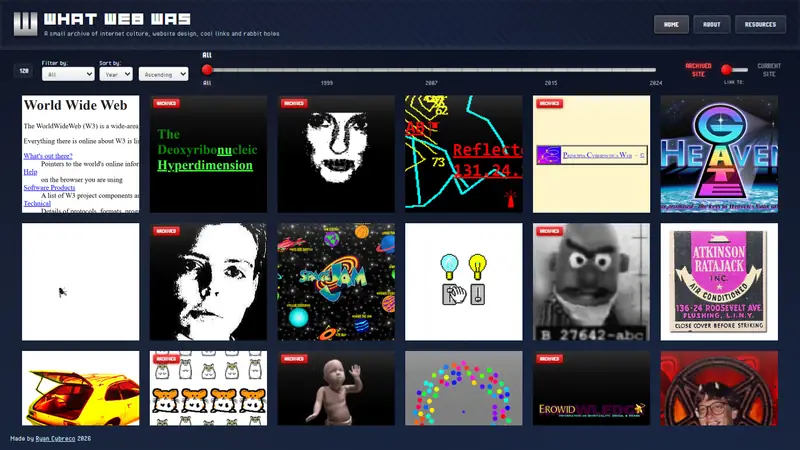
What Web Was collects internet culture, design references, links, and artifacts from old and current web history. Filters make it useful when you want discovery rather than a search for one known URL.
It feels like a personal museum, which suits material that often survives because one person remembered to care.
10. The Million Dollar Homepage
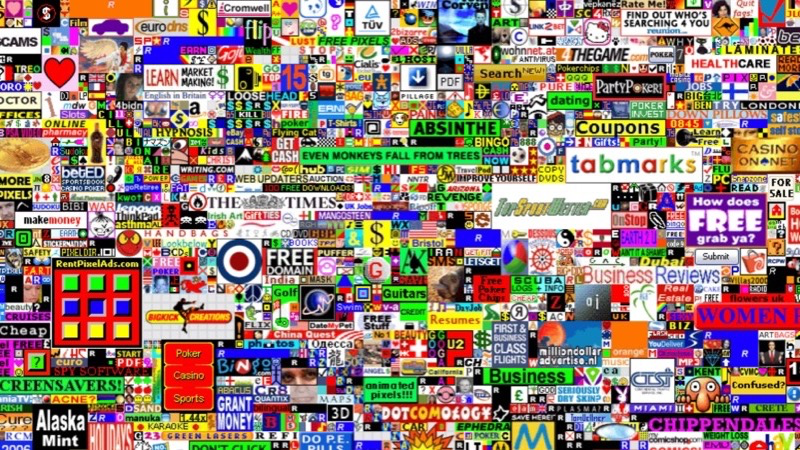
The Million Dollar Homepage sold one million pixels of ad space in 2005. The finished grid remains online as a dense field of tiny logos, promises, and links from that moment.
Many destinations are dead now. The frozen surface still shows how quickly a simple internet stunt became a historical document.
Keep digging
Visit our guide to old and retro websites for more living web history. The full interesting websites collection includes newer archives and unusual reference projects.